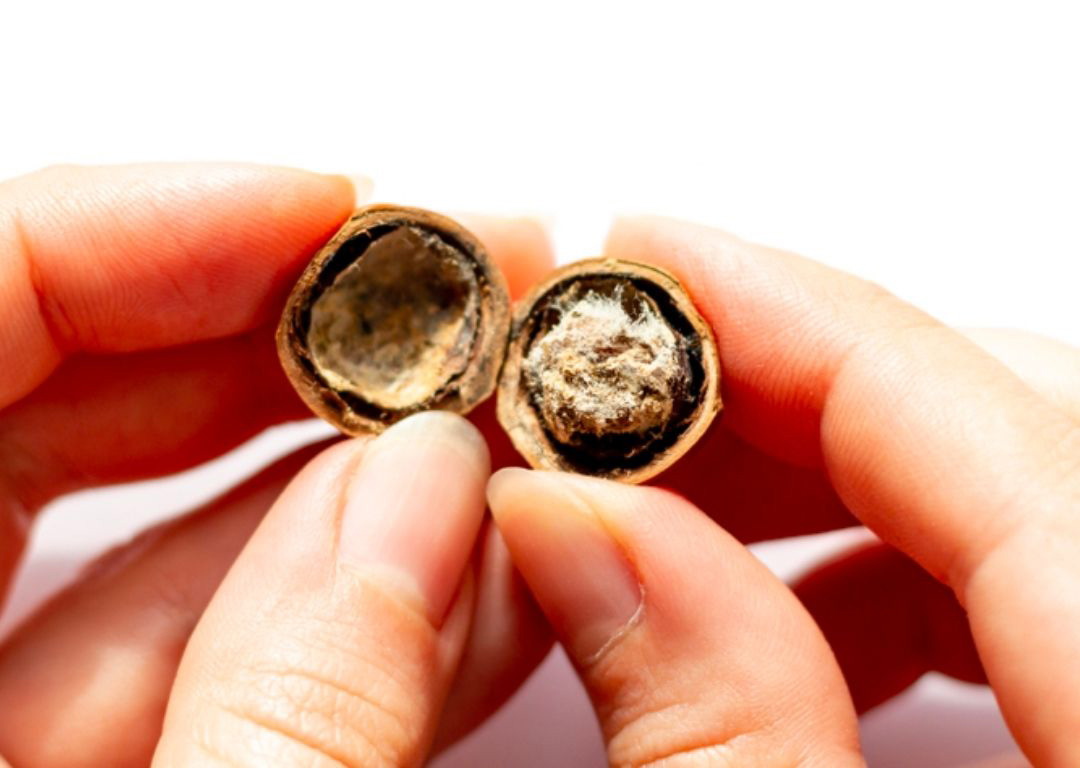
Molds, which are frequently encountered in our daily lives and can grow on almost every type of foodstuff, have become a research topic that has received considerable attention in recent years. Under suitable conditions, molds multiply on raw and processed materials, on the one hand altering the quality and quantity of the product and causing it to spoil, and on the other hand forming toxic substances that are more or less harmful to human health.
Fungi (molds) constitute a broad group, and they are known to the public as yeasts, as the organisms that cause rust diseases, and as the agents that cause rot in plants and disease in humans and animals. However, it is not widely known that the edible mushrooms consumed by humans as food also belong to the same group. These organisms cause many diseases in plants, animals and humans, and they also cause the loss of a large proportion of agricultural products every year.
Under certain conditions, molds form toxins in the products on which they grow, and the effects of these toxins on living organisms vary greatly. Those that are toxic to humans, plants and warm-blooded animals are called mycotoxins. Mycotoxins are secondary metabolites produced by fungi (molds). They cause abnormal and harmful biological changes in plants, humans and animals. The most important mycotoxins that cause mass poisonings in humans and animals under natural conditions are produced by molds of the genera Aspergillus, Penicillium and Fusarium. The first mycotoxin whose chemical structure was determined is “aflatoxin,” produced by the species Aspergillus flavus and Aspergillus parasiticus.
Studies on mycotoxins intensified after the discovery of aflatoxin in 1960 and became a subject of investigation all over the world. Studies have shown that aflatoxin has four basic compounds: B1, B2, G1 and G2. Under ultraviolet light, two of these fluoresce blue and two fluoresce green. Based on these fluorescent colors, the blue ones were named B1 and B2 after the first letter of “Blue,” and the green ones G1 and G2 after the first letter of “Green.” Of the aflatoxins, of which 18 derivatives are known today, the most toxic is B1.
Mold contamination in hazelnuts is widespread, and its development poses a significant risk to human and animal health. Mold growth begins in the orchard, and the level of contamination can increase during storage and transport.
In hazelnuts, the molds Aspergillus flavus and Aspergillus parasiticus produce the mycotoxin known as “aflatoxin,” which is toxic to humans.
According to the results of a study conducted by the TÜBITAK Marmara Research Center, species belonging to the genera Penicillium, Aspergillus and Rhizopus were found in in-shell hazelnuts during the harvest, drying and storage process. The growth of A. flavus in in-shell hazelnuts begins on the tree and increases throughout the harvest operations. However, apart from nuts with cracked shells during threshing and storage, A. flavus was not observed in in-shell hazelnuts on the tree or on the ground.
Aflatoxin formation is related to the relative humidity of the environment and therefore to the water activity of the product. During sun drying, aflatoxin can form in the first 6-10 days, when water activity is high. While natural hazelnut kernels are at risk in terms of aflatoxin, roasted hazelnuts are more resistant. A water activity of 0.38 in natural hazelnuts and 0.24 in roasted hazelnuts prevents aflatoxin formation. In addition, the total number of molds increases when rainfall is heavy. For this reason, especially in rainy weather, hazelnuts that have fallen to the ground, whether in their husks or not, should not be left lying on the ground for long.
Molds break down the proteins, fats and carbohydrates in hazelnuts through enzymatic activity, altering the texture of the food and causing a reduction in fat content, an increase in the amount of free fatty acids, the breakdown of proteins, changes in amino acid composition, a decline in nutritional value, discoloration, the formation of bad odors, changes in taste, weight loss and the formation of toxins. Since molds can also penetrate into sound food, they cause more damage than bacteria. In hazelnuts stored at high moisture and high relative humidity, the invertase enzyme of microbial origin breaks down sucrose to form glucose and fructose. If the glucose and fructose levels, which are 0.05 g/100 g in fresh hazelnuts, exceed 0.1 g/100 g, this indicates that the hazelnuts are old or have been poorly stored. A drop in the sucrose level from 4 g/100 g to 2 g/100 g indicates that the hazelnuts have spoiled.
Consumer countries and world markets aim to reduce the aflatoxin limit to zero in products at risk from aflatoxin, which is carcinogenic. In line with this goal, in many countries the aflatoxin B1 limit for hazelnuts has been reduced from 5 ppb to 2 ppb, and the Total Aflatoxin (B1+B2+G1+G2) limit from 10 ppb to 4 ppb.
Molds cause microbial activity, food spoilage and/or food poisoning in foods. The pH of foods, water activity, total acidity, the presence of preservatives, the natural microflora, nutrient content, redox potential, the chemical and physical properties of the environment, gas composition, storage temperature and warehouse relative humidity are important factors affecting the activity of microorganisms.
In particular, raw and processed agricultural products to be consumed as human food need to be of high quality and safe, just as much as they need to be available in sufficient quantity.
In order for our hazelnuts, which are among our country’s traditional export products and have great economic value, to receive the value they deserve, for their exports to be sustainable, and for the quality and reputation of Turkish hazelnuts not to be damaged, the formation of aflatoxin in hazelnuts must absolutely be prevented.
For this purpose, the following points must be observed.